Skin
AVEYA Snail Mucin Toner Pads: What Is in the Jar, How to Use Them, Who Should Skip Them
The ingredient list name by name, two ways to use a pad, and the people who should pass.
Hair
The bottle says Biotin Hair Growth Spray. The label says what is inside, to the tenth of a percent, and the reviews say what buyers found.
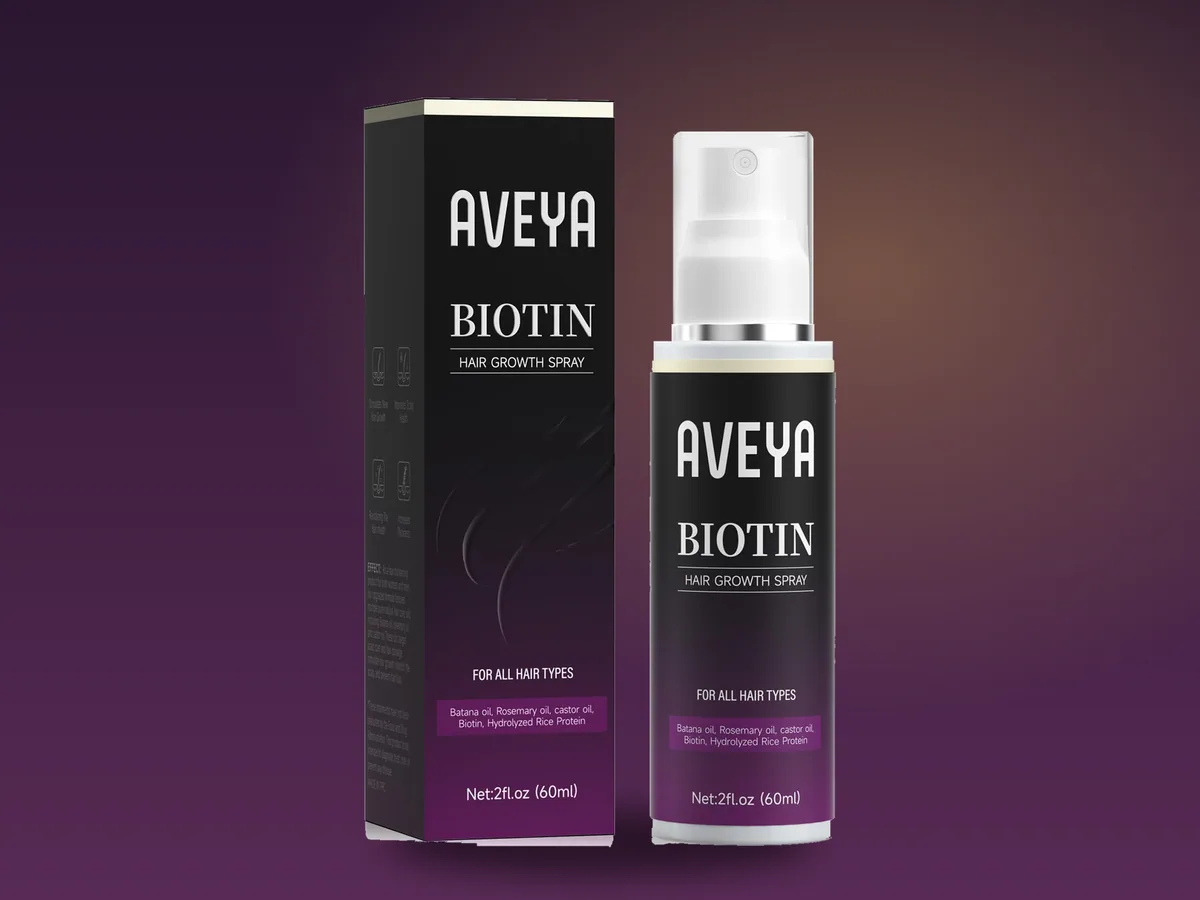
The front of the bottle says three things: AVEYA, Biotin, Hair Growth Spray. The back of the box and the public label say a good deal more, down to the share of every ingredient. Read together, they tell you what the spray is, how to use it and what to expect from a 2 fl oz bottle.
AVEYA Biotin Hair Growth Spray is a leave-in for the scalp. You spray it on, massage it in and leave it there. Nothing is rinsed out. The formula is water-based, which sets it apart from the hair oils many people have tried and dropped.
One buyer describes that difference better than a label can.
One of the reasons I stopped using hair oils was because I hated having greasy roots, so I was happy this spray doesn’t have that problem.
The name carries the words hair growth, and those two words have a legal weight. In the United States, what a product claims decides how the law treats it.
Whether a product is a cosmetic or a drug under the law is determined by a product's intended use.
The FDA gives examples of claims that move a product toward the drug side of that line, and restoring hair growth is the first on its list. The spray's own box deals with this openly. On its side panel it prints the standard notice: the statements have not been evaluated by the Food and Drug Administration, and the product is not intended to diagnose, treat, cure or prevent any disease.
The label is also on file in the National Drug Code directory, under NDC 83566-561. Anyone can look it up. A directory entry is a record of what the labeler submitted, and the FDA is plain about what it does not mean.
Inclusion in the NDC Directory does not indicate that FDA has verified the information provided or that the products are FDA-approved.
So the fair description is this: a water-based scalp leave-in with a filed label, sold under a name that buyers should read as a name.
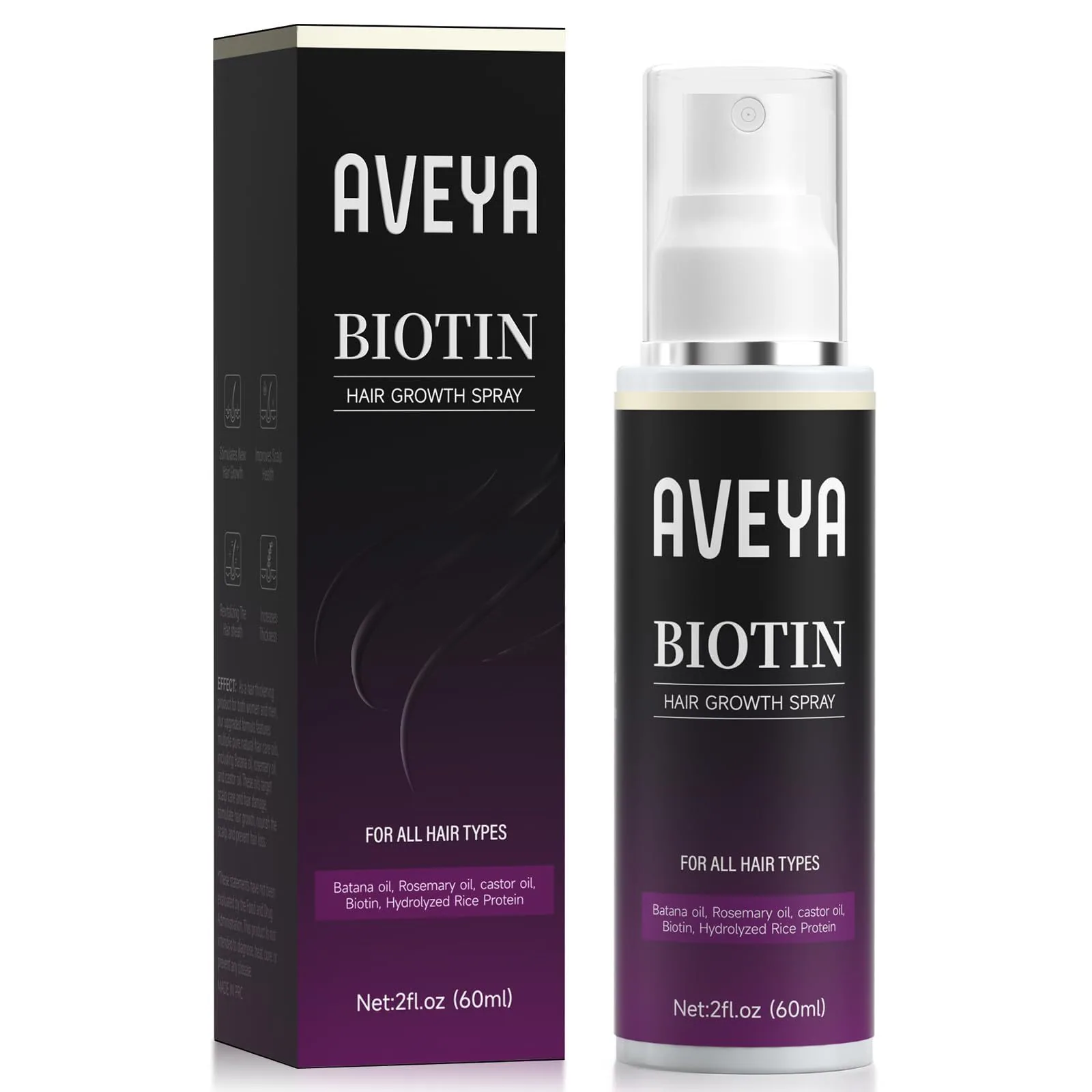
Ten ingredients, each with a share on the label: water at 97.65%, biotin, the active ingredient, at 1%, and 0.1% for each of the three oils named on the front of the bottle.
A share is easier to picture as an amount. The table turns each percentage into milliliters in a 60 ml bottle.
| Ingredient | What it is | Share | In one bottle |
|---|---|---|---|
| Water | the base of the spray | 97.65% | 58.6 ml |
| Biotin | vitamin B7, the active ingredient on the label | 1% | 0.60 ml |
| Phenoxyethanol | a preservative | 0.35% | 0.21 ml |
| Hydrolyzed Rice Protein | rice protein in small fragments | 0.3% | 0.18 ml |
| PEG-40 Hydrogenated Castor Oil | a solubilizer: it keeps the oils mixed into the water | 0.15% | 0.09 ml |
| Panthenol | provitamin B5, a humectant | 0.15% | 0.09 ml |
| Batana Oil | oil from the nut of the American oil palm | 0.1% | 0.06 ml |
| Rosemary Leaf Oil | essential oil of rosemary leaves | 0.1% | 0.06 ml |
| Castor Oil | oil of the castor bean | 0.1% | 0.06 ml |
| Undecylenamidopropyltrimonium Methosulfate | a conditioning agent | 0.1% | 0.06 ml |
Three things stand out. First, this is mostly water, which explains the light feel buyers report. Second, biotin is present at ten times the share of any single oil. Third, the oils are there in small amounts: 0.06 ml of batana oil in the whole bottle. If you want an oil treatment, this is not one, and that is the point of the format.
The short ingredient line in the product description is worded a little differently from the filed label: it mentions ethanol, where the label names phenoxyethanol and no alcohol. If alcohol on the scalp matters to you, read the back of your own box before the first use.
The front of the bottle lists batana oil, rosemary oil, castor oil and hydrolyzed rice protein next to biotin. Each is worth a short introduction, because each arrives with a reputation.
Batana oil is pressed from the nut of the American oil palm, a tree of Central and South America. In this bottle it makes up 0.1%, or 0.06 ml.
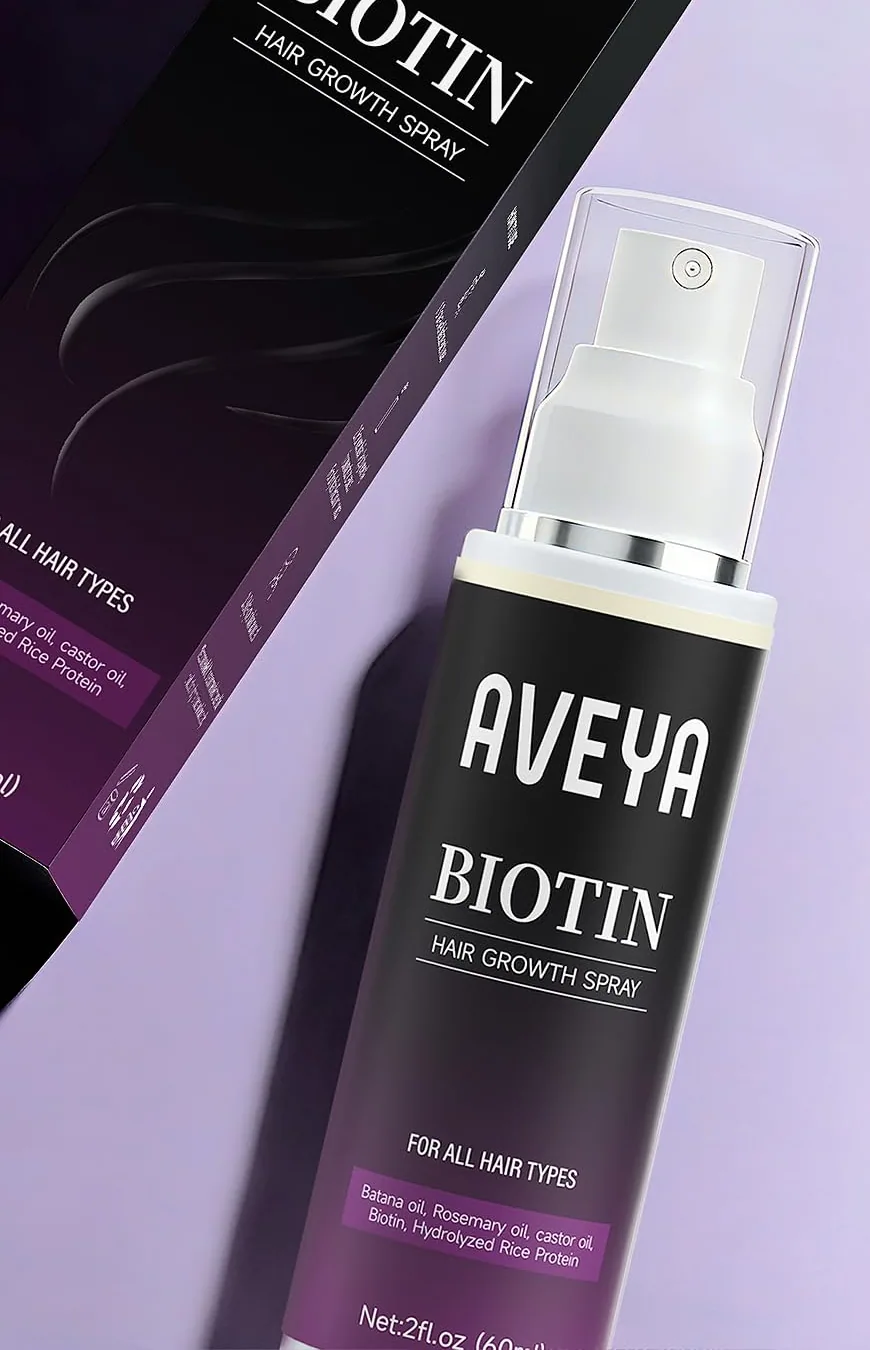
Rosemary leaf oil is the essential oil of the kitchen herb. It is here at 0.1% as well.
Castor oil comes from the castor bean and is thick enough that people hesitate to put it near their roots. At 0.1% in a water base, it does not behave like the oil in the brown bottle.
Hydrolyzed rice protein is rice protein cut into small fragments. At 0.3% it is the largest of the four.
Together the four add up to 0.6% of the formula. The label makes no separate claim for any of them. They are part of why the spray is described as nourishing in the product description, and their small shares are the reason it does not feel oily.
The directions on the label are four short lines.
Shake well.
Spray 4 to 5 times, about 1 ml, straight onto the scalp where hair is thinning.
Massage in gently. Do not rinse.
Use on dry hair once or twice a day.
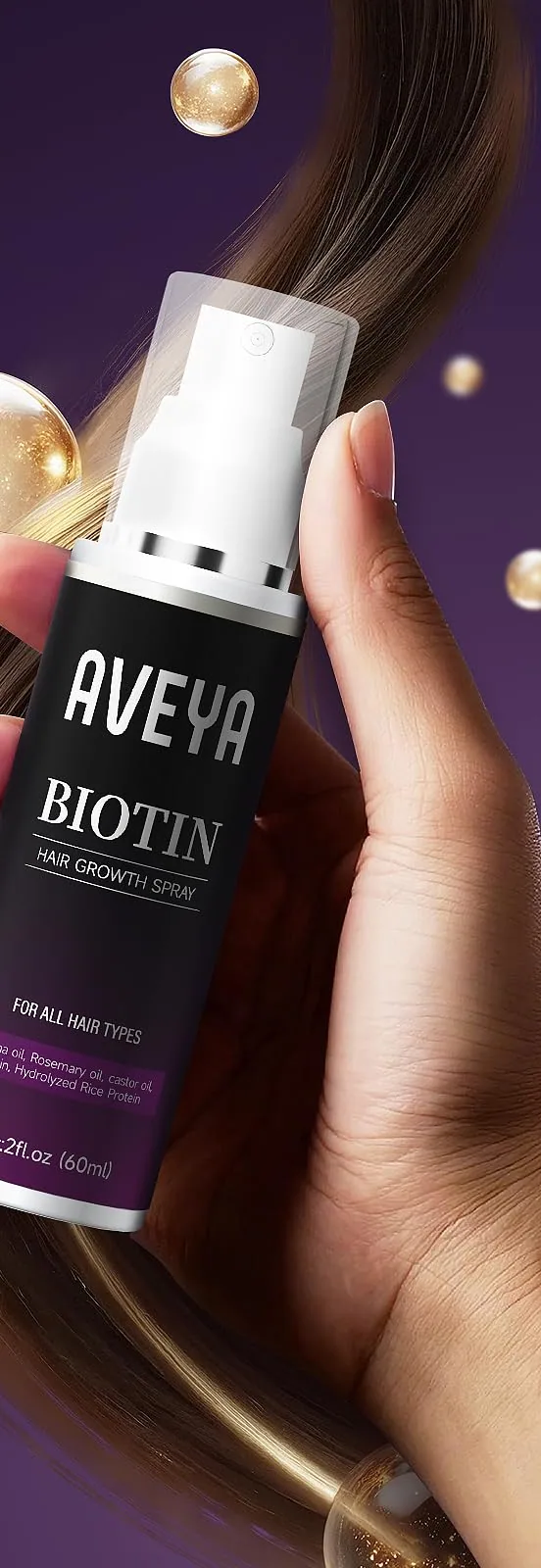
A few practical notes make those lines easier to follow. Part your hair where it is thinnest so the mist lands on skin and not on hair. Hold the nozzle a few inches away. 4 or 5 presses add up to about 1 ml. More is not better: the label gives an amount, and going past it only empties the bottle sooner.
Massage with the pads of your fingers for half a minute. The label says gently, and it means it. The American Academy of Dermatology gives the same advice for anyone worried about their hair.
Brush or comb your hair gently, and only enough to style it.
The label asks for dry hair. The product description also allows damp hair before styling, and one buyer uses it after a shower. Either way, do not rinse. One buyer writes that it leaves no residue once the hair dries.
A leave-in only works while it is left in. That sounds obvious, and it changes when you spray. A use right before a shampoo goes down the drain with the lather. A use after washing and drying stays where you put it.
So on wash days, spray after. On other days, the label's morning and evening rhythm fits around whatever else you do with your hair. Styling products go on after the spray has dried, since the spray is meant for the scalp and the styling product for the lengths.
The label and the box both say for all hair types. Buyers with fine hair make a point of saying it did not flatten theirs.
I have fine hair, so anything heavy makes it look flat immediately, but this hasn’t weighed it down at all.
The bottle holds 60 ml and one use is about 1 ml, so the arithmetic is simple. It also explains a line in the product photos, which give 25 to 30 days for twice-daily use.
| Routine | Uses a day | Days in a bottle | Cost of a day | Bottles for 90 days |
|---|---|---|---|---|
| Evening only | 1 | 60 | $0.50 | 2 |
| Morning and evening | 2 | 30 | $0.99 | 3 |
Twice a day is the routine the label names first. It uses a bottle a month and costs $0.99 a day. Once a day halves both numbers. Whichever you choose, decide before you start how long you will give it, and write the date on the box. A routine with an end date is easier to judge than one that drifts.
Buyers' own timelines show why. One reviewer used the spray twice a day and wrote a review a week later.
I have been using this twice daily since 3/26/26 and yet notice no difference. I hope I do otherwise this was a waste of money
A week is too short to judge any hair routine, and the review says as much: the jury is still out. Another buyer went the distance, from a purchase in March to an empty bottle at the end of May.
Don't waste your money. I bought this product back in March and I finally finished the bottle on 05/28/2026. There's no new hair growth and this product doesn't smell good at all.
Two months, one bottle, no new growth and a scent the buyer disliked. That is a full trial with a clear result, and it counts as much as any five-star review.
Biotin is vitamin B7, and at 1% it is the active ingredient on this label. What it does when sprayed on the scalp has not been settled by the public sources at hand. The research they describe is about biotin taken by mouth.
Start with what is known. A lack of biotin in the body can thin the hair. That fact is the root of biotin's reputation.
Biotin deficiency is very rare in the United States.
So the people who lack it are few. For everyone else, the National Institutes of Health sums up the evidence in one sentence.
Dietary supplements that contain biotin are often promoted to improve the health of your hair, skin, and nails, but there is little scientific evidence to support these claims.
Its fact sheet for health professionals ends the hair section with a call for more research.
Future studies are needed to determine whether biotin supplements might improve hair, nail, and skin health, especially among healthy individuals.
Both statements are about supplements, the capsules and gummies. Neither tests a spray. That leaves a 1% biotin spray where many cosmetic products stand: a formula with a familiar ingredient, a pleasant routine, and no public trial to point to. Buy it for what you can verify, which is the feel, the scalp routine and the label. Keep expectations about growth modest.
The spray holds 3.9 out of 5 across 73 ratings, and the split is unusual. 65% are five stars, 22% are one star, and few sit in between.
A split like that usually means buyers came for two different things. The five-star reviews talk about the routine: a light mist, no grease, a scent that fades, hair that feels stronger when styled.
It applies without leaving a heavy feel or greasy residue on the scalp.
Some of them go further and report less shedding or fuller-looking hair. Those are the buyers' own words about their own hair.
After using it consistently, I’ve noticed less hair shedding and my hair feels stronger and healthier overall.
The one-star reviews came for new growth and did not see it.
This is a waste of money. Not one bit of improvement
Both camps are telling the truth about their experience. If you want a scalp product that feels like water, the odds are on your side. If you are buying the name on the bottle and nothing else, read the one-star reviews first.
Scent divides buyers of this spray more than anything except results. Several reviewers call it pleasant and note that it fades.
The scent is pleasant and doesn’t stick around all day.
One buyer disagrees flatly and says the product does not smell good at all. Rosemary oil has a strong herbal note, and people either welcome it or do not. If you are sensitive to scents, spray once on the back of your hand before the first full use.
One bottle is a natural unit for a trial. A simple plan keeps it honest.
Day 1: take a clear photo of your part line and your hairline in daylight. Write the date on the box.
Days 1 to 7: test first. Spray a little behind one ear once a day and watch for redness or itching.
From day 8: use about 1 ml on the scalp, once or twice a day, as the label directs.
When the bottle is empty, after 30 to 60 days: take the same photo in the same light and compare.
The photo matters more than the mirror. Hair changes slowly, and memory flatters or punishes depending on the day. If the two photos look the same and that disappoints you, you have your answer for the price of one bottle.
Apply the product to a test spot twice daily for seven to 10 days.
That advice from dermatologists is written for skin care products in general, and a scalp product is no exception.
Hair loss has many causes, and some of them need a doctor. Dermatologists put the first step in one line.
Effective treatment for hair loss begins with finding the cause.
The same source lists times when hair may regrow on its own: after having a baby, after a major illness or surgery, after losing 20 pounds or more. It also describes causes that will not wait, such as hereditary hair loss, where starting early matters.
For early hereditary loss, the over-the-counter product dermatologists describe is minoxidil. It is a drug with a defined use.
Minoxidil is used to stimulate hair growth and to slow balding.
It is also slow, and it asks for commitment.
Many people see some regrowth when using minoxidil, but it takes time to see results, usually about 6 to 12 months.
| What | Time frame | Where the number comes from |
|---|---|---|
| One bottle of Biotin Hair Growth Spray, twice a day | 30 days | The label: 60 ml at about 1 ml a use |
| One bottle of Biotin Hair Growth Spray, once a day | 60 days | The label: 60 ml at about 1 ml a use |
| Minoxidil, first visible results | About 6 to 12 months | American Academy of Dermatology |
| Minoxidil, how often | Usually twice a day | NIH MedlinePlus |
See a board-certified dermatologist if your hair comes out in patches, if the loss is sudden, if your scalp itches, burns or scales, or if you simply want a diagnosis before you spend money. A spray is a comfort routine. It is not a substitute for knowing the cause.
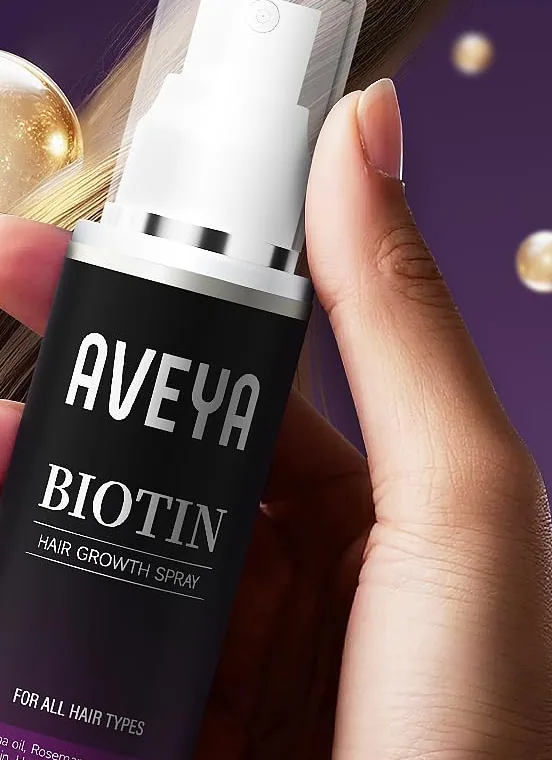
While you run any scalp routine, the way you treat your hair matters as much as what you put on it. The dermatologists' list is short. Use a gentle shampoo. Keep heat tools for special days and use the lowest setting on the dryer. Give tight buns, ponytails and braids a rest.
None of this needs a product. All of it is free, and it removes the everyday pulling and heat that make thin hair look thinner.
The label carries five warnings, and each is short.
Two of them are quoted here as printed.
For external use only.
Discontinue use if irritation occurs.
Irritation means redness, itching or burning that was not there before. Stop, let the scalp settle, and do not start again without a reason to think the spray was not the cause. Keep the bottle upright, capped and away from heat, and put the clear cap back on before it goes in a bag.
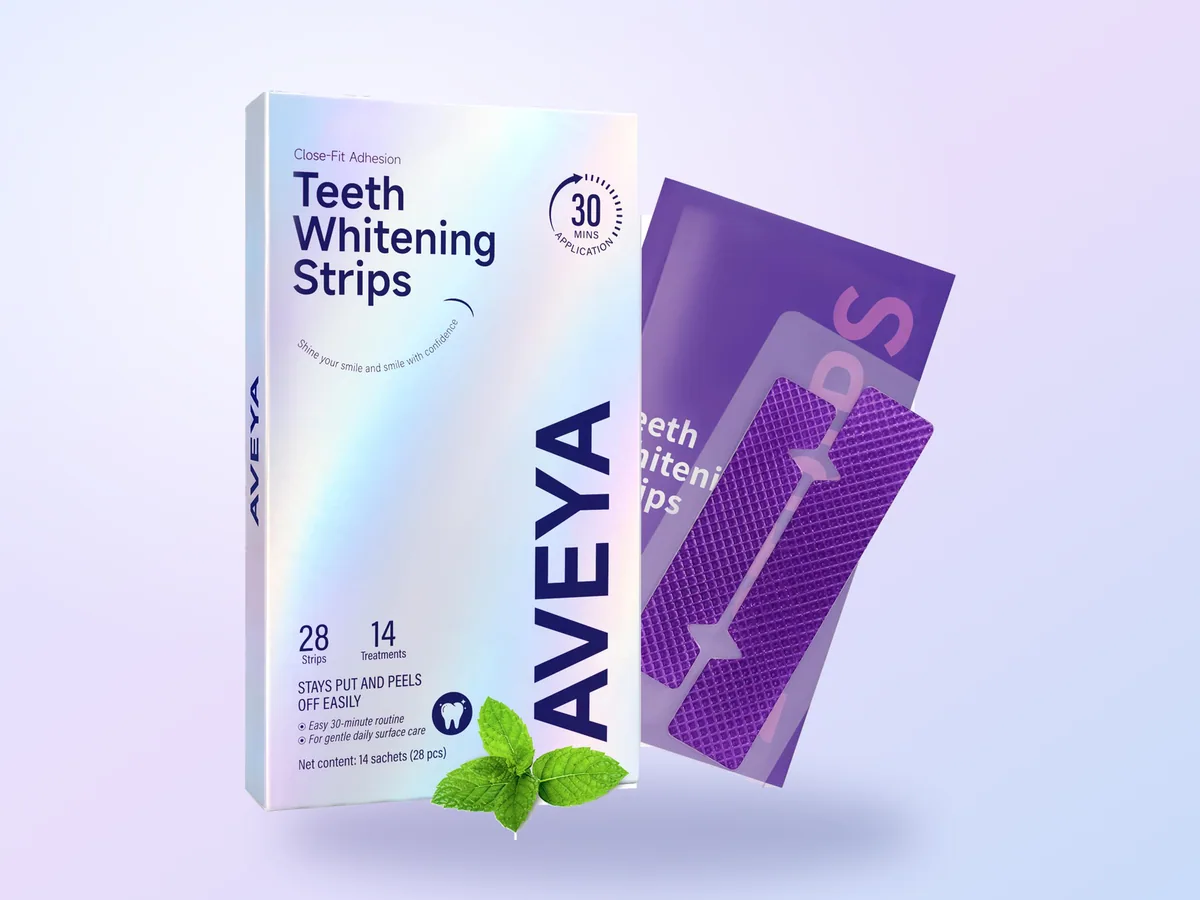
The AVEYA lineup has three products, and they do not compete for the same minute of your day. The Snail Mucin Toner Pads are a face step after cleansing, one of 100 pads at a time. The Teeth Whitening Strips take 30 minutes on the teeth. The spray takes one minute on the scalp, morning and evening.
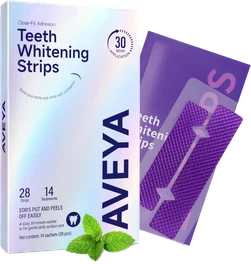
2 sizes: 14 treatments and 28 treatments
from $29.99 for 14 treatments, $2.14 a treatment
Each has its own long read: what is in the toner pads and who should skip them, and PAP strips against peroxide.
Nothing here is medical advice. A scalp spray cannot diagnose or treat hair loss. If your hair is thinning fast, in patches, or with an irritated scalp, see a board-certified dermatologist.
Sources read for this guide
Skin
The ingredient list name by name, two ways to use a pad, and the people who should pass.
Smile
PAP against peroxide, one session step by step, the weekly rhythm, and when to see a dentist first.