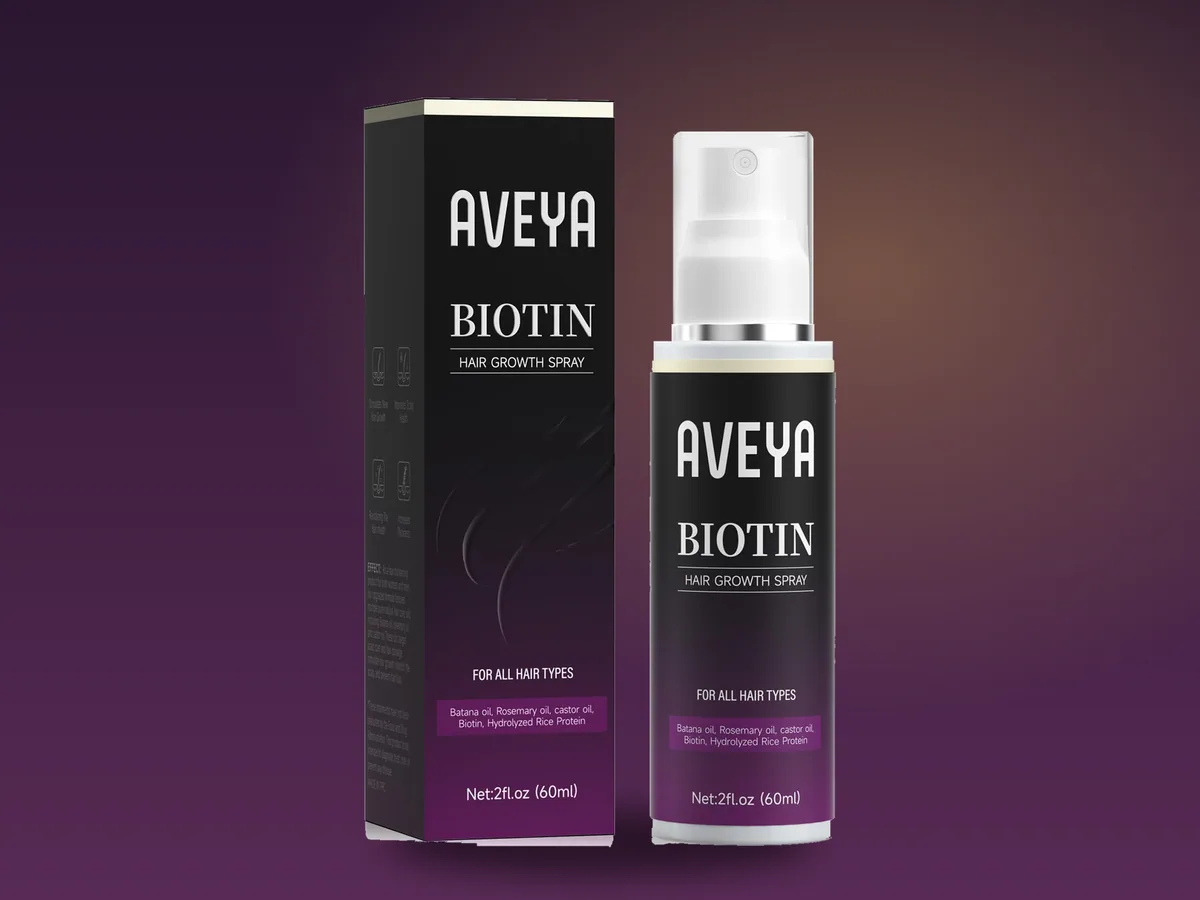
Hair
AVEYA Biotin Hair Growth Spray: The Label Share by Share, the Routine, and What to Expect
Every ingredient with its share, a bottle counted in days, and an honest look at what a scalp spray can do.
Skin
One hundred soaked pads in a yellow jar raise three questions: what is in them, how to use them, and whether they suit your skin.
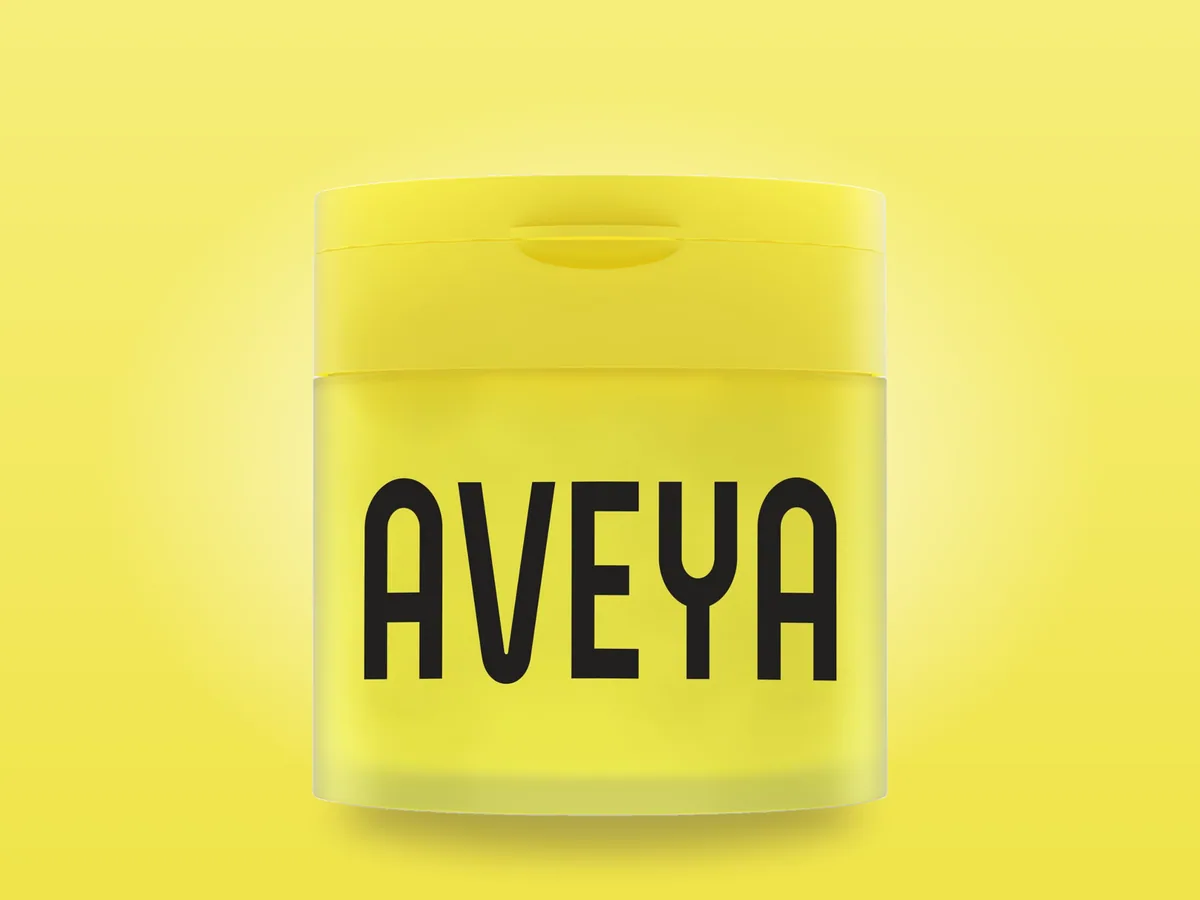
A jar of 100 toner pads looks simple: open the lid, take a pad, wipe. The questions come a minute later. What is the pad soaked in? Does it go before or after moisturizer? Why does one buyer love the glow while another reports a burning face? The answers are on the box, in the ingredient list and in the reviews, and they fit on one long read.
A toner is the watery step between washing your face and putting on moisturizer. The classic way to use one takes two things: a bottle and a cotton round. You tip the bottle onto the round, lose some toner into the cotton, and wipe.
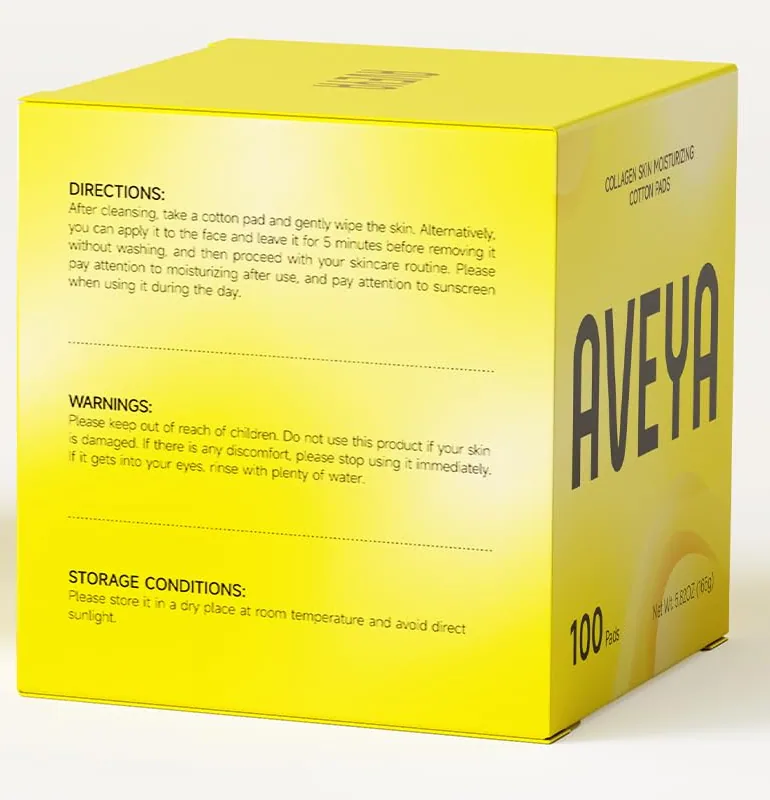
A toner pad joins the two. The pad arrives soaked, so there is nothing to pour and nothing to measure. One pad is one dose. With AVEYA Snail Mucin Toner Pads the jar holds 100 of them in 5.64 oz of essence, and the net weight printed on the box is 5.82 oz (165 g).
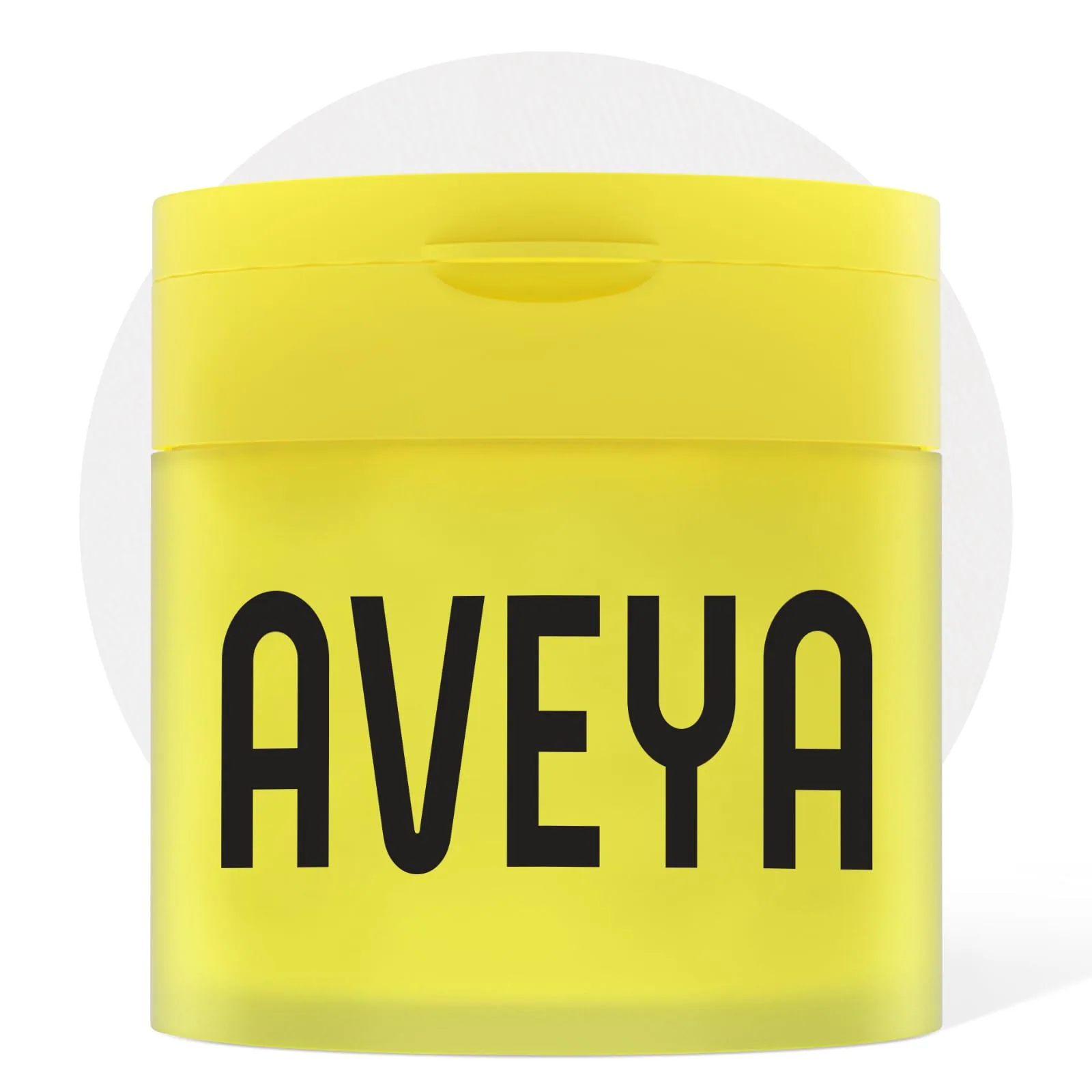
The box calls the product Collagen Skin Moisturizing Cotton Pads. The current product name is Snail Mucin Toner Pads. Both names point at the same yellow jar, and both describe the same job: a wet cotton pad that leaves a thin layer of essence on clean skin.
What a pad does not replace is the cleanser before it or the moisturizer after it. The directions on the box say so in plain words: use the pad after cleansing, then go on with your skincare, and pay attention to moisturizing.
The current ingredient list has 37 names. The first three are water, glycerin and glycereth-26, and the last is fragrance. Niacinamide is fourth.
Order matters on a cosmetic label, and the FDA sets the rule.
The ingredients must be declared in descending order of predominance.
There is one exception: ingredients at 1% or less may follow in any order. So the top of the list tells you what the essence is mostly made of, which is water and humectants, the family of ingredients that hold water. The names buyers search for come later, and their order among themselves says less.
| Ingredient | What it is | Place among 37 |
|---|---|---|
| Snail Secretion Filtrate | snail mucin, filtered | 15 |
| Niacinamide | a form of vitamin B3 | 4 |
| Alpha-Arbutin | a glycoside related to hydroquinone | 17 |
| Hydrolyzed Collagen | collagen broken into small peptides | 23 |
| Centella Asiatica | the herb also called cica | 19 |
| Betaine | a humectant: it holds water | 6 |
Snail secretion filtrate gives the pads their name. It stands in the middle of the list, after the humectants and the preservative helpers. Hydrolyzed collagen and the peptides stand lower still. That is normal for a toner: actives like these are used in small amounts, and the box prints no percentages for any of them.
One more name deserves a look. 3-O-ethyl ascorbic acid is a derivative of vitamin C. It is on the list, and like the rest it comes without a stated share.
The pads have carried two printed lists. One is on the box in the product photos, 38 names long. The other is the current list of 37. Formulas get updated between production runs, and labels follow. 19 ingredients appear on both, and they are the steady core of the pad.
| Ingredient | What it is | Place on the current list | Place on the box list |
|---|---|---|---|
| Water | the base of the essence | 1 | 1 |
| Glycerin | a humectant: it holds water | 2 | 26 |
| Niacinamide | a form of vitamin B3 | 4 | 6 |
| Betaine | a humectant: it holds water | 6 | 3 |
| 1,2-Hexanediol | a solvent that also supports the preservative system | 7 | 5 |
| Hydroxyacetophenone | an antioxidant that supports the preservative system | 8 | 7 |
| Hydroxyethyl Urea | a humectant | 9 | 4 |
| 3-O-Ethyl Ascorbic Acid | a derivative of vitamin C | 12 | 21 |
| Allantoin | a skin-conditioning compound | 13 | 9 |
| Dipotassium Glycyrrhizate | a compound derived from licorice root | 14 | 8 |
| Snail Secretion Filtrate | snail mucin, filtered | 15 | 20 |
| Xanthan Gum | a thickener | 16 | 10 |
| Alpha-Arbutin | a glycoside related to hydroquinone | 17 | 19 |
| Centella Asiatica | the herb also called cica | 19 | 25 |
| Hydrolyzed Collagen | collagen broken into small peptides | 23 | 32 |
| Acetyl Hexapeptide-8 | a synthetic peptide | 26 | 17 |
| Butylene Glycol | a solvent and humectant | 33 | 2 |
| Disodium EDTA | a chelating agent: it binds metal ions | 36 | 11 |
| Fragrance | scent, listed as one word | 37 | 16 |
Read the core as three groups. Water, glycerin, betaine, hydroxyethyl urea and butylene glycol are the wet base. Niacinamide, snail secretion filtrate, alpha-arbutin, centella asiatica, hydrolyzed collagen, the vitamin C derivative and the peptide are the names on the front of the story. The rest keep the essence stable and pleasant: a thickener, a chelating agent, preservative helpers and fragrance.
The list on the box you receive belongs to your jar. Read it before the first use if you avoid any ingredient, above all fragrance.
A label is a snapshot. 18 names stand on the current list and not on the box in the photos, and 19 stand on the box and not on the current list. None of this is unusual for a cosmetic that has been on sale for a while, and it is the reason to read your own box.
| Only on the current list | Only on the box in the photos |
|---|---|
| Glycereth-26, Tremella Fuciformis Polysaccharide, Panthenol | Dextrin, Hyaluronic Acid, Piper Methysticum Root Extract |
| PEG-40 Hydrogenated Castor Oil, Tranexamic Acid, Tocopherol | Phaseolus Radiatus Seed Extract, Acetyl Tetrapeptide-2, Beta-Glucan |
| Sodium Hyaluronate, Adenosine, Tripeptide-1 | Collagen Extract, Cyclodextrin, Avena Sativa (Oat) Peptide |
| Pentapeptide-3, Nonapeptide-1, Hydroxypropyl Tetrahydropyrantriol | Trehalose, Phenoxyethanol, Hydroxyethylcellulose |
| Ginkgo Biloba Leaf Extract, Paeonia Albiflora Root Extract, Yeast Ferment Extract | Ethylhexylglycerin, Collagen Amino Acids, Collagen |
| Prunus Persica (Peach) Resin Extract, Acrylates/C10-30 Alkyl Acrylate Crosspolymer, Triethanolamine | Soluble Collagen, Soluble Collagen Crosspolymer, TEA-Lauroyl Collagen Amino Acids |
| No further names | Atelocollagen |
Two patterns show. The current list leans on tremella polysaccharide, sodium hyaluronate, tranexamic acid and three more peptides. The box list leans on several forms of collagen and on plant ingredients such as mung bean seed extract and oat peptide. Both keep the same wet base and the same headline names.
If a name in either column is one you avoid, do not guess which version you will get. Check the box in your hand.
Ingredient lists use a small vocabulary that is easy to learn. These 4 words cover most of this one.
| Label word | In plain English | In this jar |
|---|---|---|
| Humectant | An ingredient that holds water | Glycerin, betaine and hydroxyethyl urea |
| Filtrate | A liquid that has been passed through a filter | Snail secretion filtrate: snail mucin with the solids filtered out |
| Chelating agent | An ingredient that binds metal ions in water, which helps a formula stay stable in the jar | Disodium EDTA |
| Hydrolyzed | Broken into smaller pieces with water | Hydrolyzed collagen: collagen cut down to short peptides |
Humectants do the work you feel first. They are why a swiped face stays damp for a minute and does not go tight.
The box gives two methods, and both start the same way: with a clean face.
After cleansing, take one pad and gently wipe the skin.
Or lay the pad on the face for 5 minutes, then remove it. Do not rinse.
Go on with the rest of your skincare and finish with a moisturizer.
In the daytime, follow with sunscreen.
The swipe is the everyday method. It takes a few seconds and leaves the skin damp. Wait until the damp feeling settles, then put on your moisturizer. Two buyers write that one pad is enough for a use.
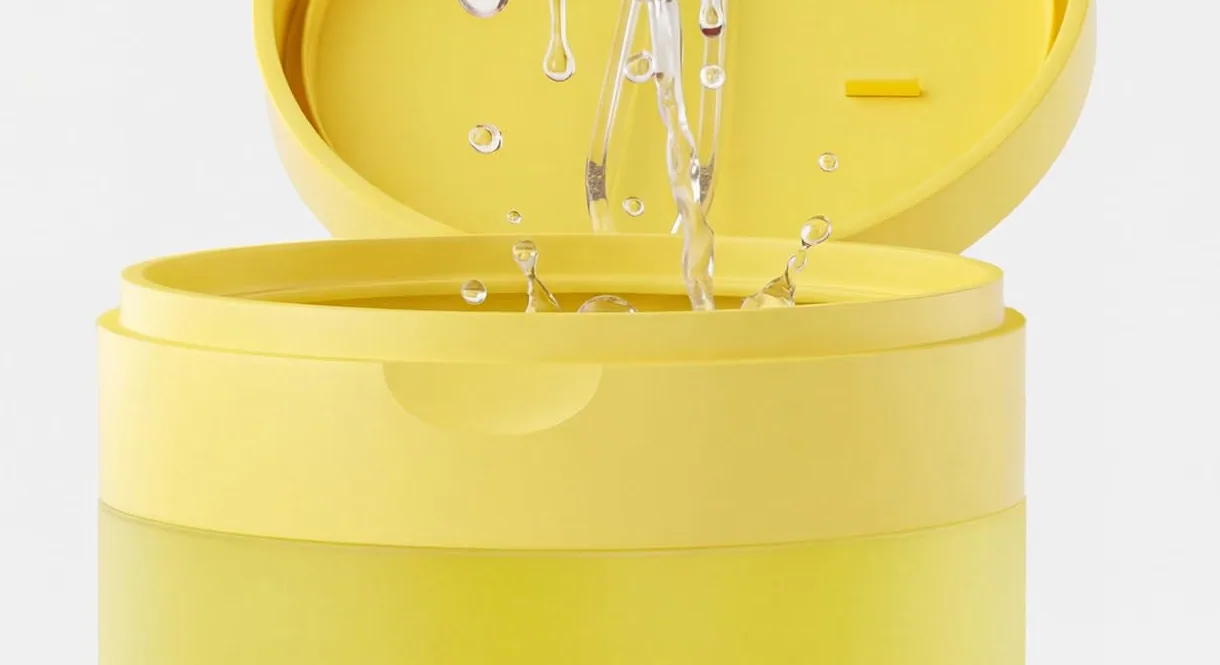
The mask is the slow method. Lay the pad on a cheek, the forehead or the chin and leave it for five minutes. The product description allows up to ten. One buyer with dark spots wipes the whole face first and then rests the pad on the spots until it dries.
I have dark spots so I wipe my whole face the place the pad with remain moisture on my dark spots and let dry completely!
In the daytime the box adds one more instruction: sunscreen after the pads. The American Academy of Dermatology gives the standard for which one.
Use sunscreen that offers broad-spectrum protection, water resistance, and SPF 30 or higher.
A jar is easier to plan when you turn pads into days. The arithmetic is short, because one use is one pad.
| Routine | Pads a day | Days in a jar | Cost of a day |
|---|---|---|---|
| Evening only | 1 | 100 | $0.36 |
| Morning and evening | 2 | 50 | $0.72 |
| Evening, plus a mask twice a week | 1 to 2 | 77 | $0.36 to $0.72 |
At one pad a day the jar lasts more than three months. At two a day it lasts 50 days. If the jar will sit open for a long season, close the lid firmly after each use so the top pads stay as wet as the bottom ones.
The pads hold 4.3 out of 5 across 298 ratings. 65% of those ratings are five stars and 6% are one star. The written reviews agree on the feel and disagree on the results.
The feel first. Reviews describe the pads as wet, even soaked, with a scent people like. A buyer with sensitive skin was nervous at the start and reports no irritation.
I have sensitive skin, so I was a little nervous to try them, but they’ve been very gentle and haven’t caused any irritation.
Results are where the reviews split. One buyer used the pads twice a day for three days and saw a glow, and adds in the same breath that the dark marks have not faded. That is a fair report of what a toner can show in three days.
I haven’t noticed my dark marks fading yet, but it’s still early.
Then there is the review nobody enjoys reading. One buyer reports three weeks of redness, itching and peeling. That experience is one among 298 ratings, and it is the reason to patch test before the first full use.
its been 3 weeks and my face is burning red,itchy, and peeling
Time is the thread through these reviews. Buyers who wrote after a few days describe feel. Buyers who wrote after weeks describe change, or the lack of it.
So far so good. Too soon to see a difference
I have noticed a different in my skin after using them for awhile now.
| Reviewer | How long they had used the pads | Stars |
|---|---|---|
| Quan w. | Three days, twice a day | 5 |
| Sunina | Too soon to see a difference | 4 |
| Tina Dutton | A while | 5 |
| cristina aviles | Three weeks | 1 |
Four reviews do not make a study. They do suggest how to read your own first month: judge the feel in the first week, and give anything else longer before you decide.
Three groups of people should pass, or at least test first.
People who react to fragrance. Fragrance is on the ingredient list. On a cosmetic label that single word can stand for a blend of scent ingredients.
But under U.S. regulations, fragrance and flavor ingredients can be listed simply as “Fragrance” or “Flavor.”
The FDA counts fragrances among the common allergen classes in cosmetics, next to preservatives and dyes. For dry and sensitive skin, dermatologists point in one direction.
Dermatologists recommend using products labeled "fragrance-free."
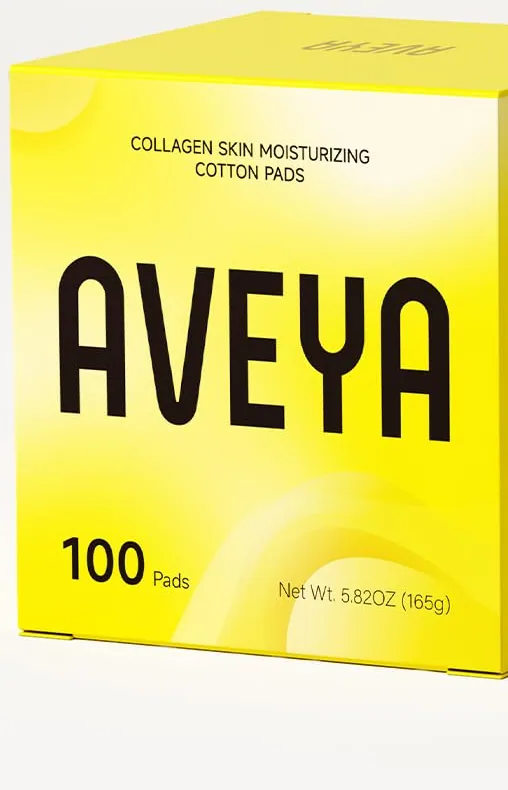
People with damaged skin. The warning on the box is direct: do not use the pads if your skin is damaged. A sunburn, a fresh peel, an open blemish or a rash all count. Wait until the skin has healed.
People who expect a treatment. A toner pad is a cosmetic. It will not treat acne, melasma or rosacea, and nothing on the box says it will. If a skin problem is the reason you are shopping, a board-certified dermatologist is the right first stop.
Everyone else can decide by feel. If you like a scented, wet toner step and your skin takes new products without complaint, the pads fit. The box adds a rule for all users: stop right away if you feel any discomfort.
A patch test costs a few pads and a week of patience. The American Academy of Dermatology describes how to run one.
Apply the product to a test spot twice daily for seven to 10 days.
Choose a spot the size of a quarter where nothing rubs, such as the underside of the arm or the bend of the elbow. Press a corner of a pad on it morning and evening and let it dry. Use the same amount of essence your face would get.
If after seven to 10 days you don’t have a skin reaction, such as red, itchy, or swollen skin, go ahead and use the product.
Redness, itching or swelling during the week is your answer: the pads are not for you. A clear test lowers the risk and does not remove it. Start with one pad a day before you move to two.
Dark spots are the reason many buyers pick up these pads, so the subject deserves plain talk. The product description speaks of the look of dark spots and uneven tone. It gives no number and no time frame.
Dermatologists do give a time frame, for dark spots in general.
A spot that is a few shades darker than your natural skin color will usually fade within 6 to 12 months.
The same source names the ingredients found in products that fade dark spots: azelaic acid, glycolic acid, kojic acid, retinoids and vitamin C. The pads contain a vitamin C derivative, with no stated share. They contain none of the acids on that list.
So set the expectation where the evidence is. The pads give a wet, scented toner step with niacinamide and snail mucin. If fading spots is the main goal, a dedicated product with one of the listed ingredients, daily sunscreen and patience measured in months will do more. The two can share a routine: the pad after cleansing, the spot product where its own label says.
If a product burns or stings when you apply it, stop using it.
Morning or evening, the order is the same. Cleanser first. The pad second, on clean and dry skin. Moisturizer third. In the morning, sunscreen last.
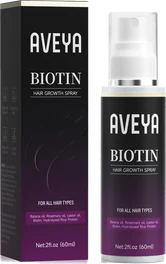
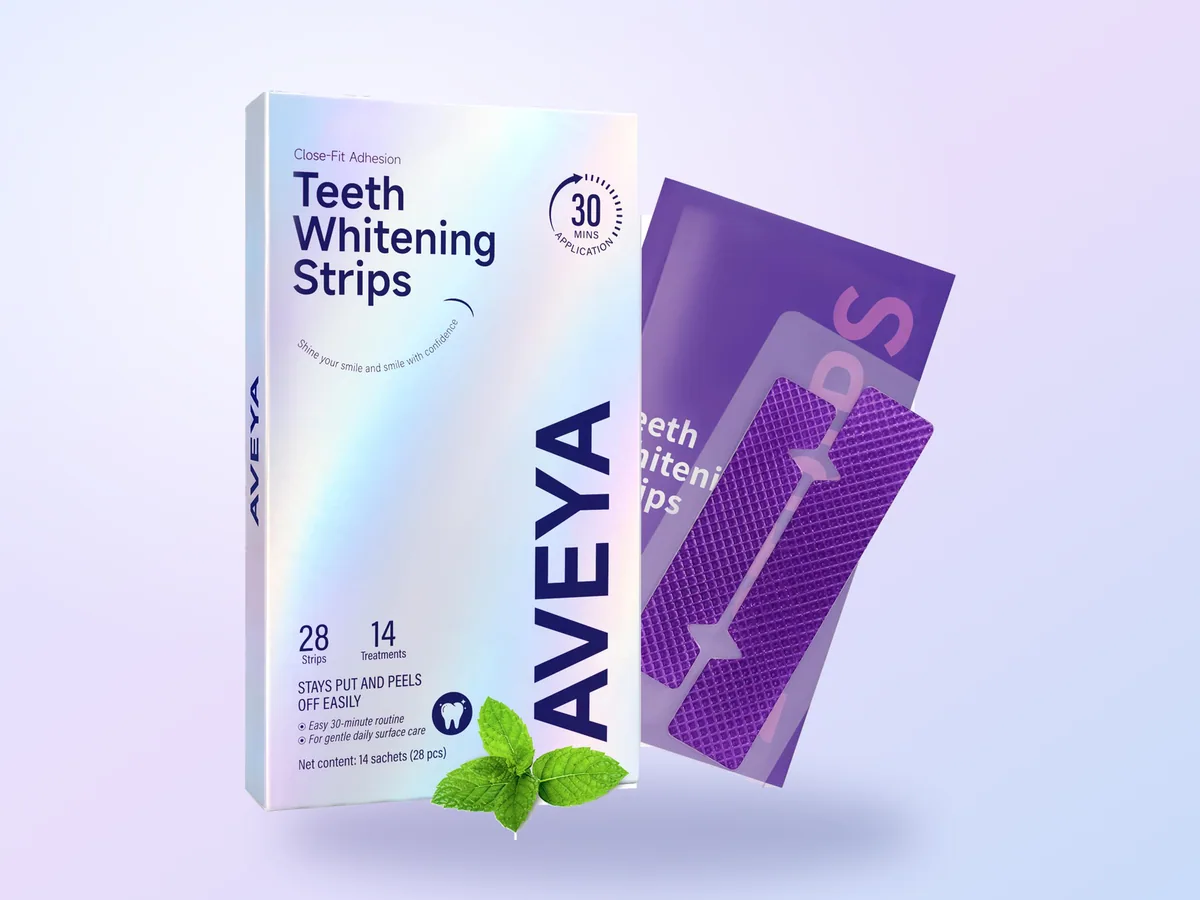
The pads meet the rest of the AVEYA range without overlap, because each product goes somewhere else. The Biotin Hair Growth Spray goes on the scalp, about 1 ml a use. The Teeth Whitening Strips sit on the teeth for 30 minutes. An evening can hold all three: strips on while you tidy up, pad after you wash your face, spray before bed.
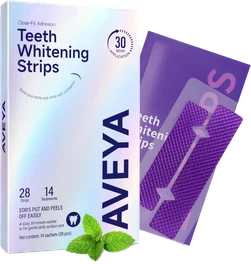
2 sizes: 14 treatments and 28 treatments
from $29.99 for 14 treatments, $2.14 a treatment
Each has its own long read: the spray's label, share by share, and how PAP strips compare with peroxide.
Price per use is the fair way to compare things that come in jars, bottles and boxes. The table sets the three AVEYA products side by side, each in its lowest-priced pack.
| Product | Pack | Price | One use |
|---|---|---|---|
| Snail Mucin Toner Pads | Jar of 100 pads | $35.99 | 36¢ a pad |
| Biotin Hair Growth Spray | 2 fl oz (60 ml) bottle | $29.85 | 50¢ a 1 ml use |
| Teeth Whitening Strips | 56 strips, 28 treatments | $44.99 | $1.61 a treatment |
The pads are the cheapest routine of the three to run. A pad a day for a month costs $10.80, and two a day cost $21.59.
The storage line on the box is short: a dry place, room temperature, out of direct sunlight. A bathroom shelf away from the window works. A sunny windowsill does not.
Close the lid until it clicks. The pads at the top dry first when a jar is left open, and a dry pad is a wasted pad. If the top pad feels less wet than the first one did, turn the stack over with clean fingers so the essence at the bottom reaches it.
For travel, a few pads in a small zip bag cover a weekend. Count two a day and add one spare. The full jar weighs more than half a pound and is better left at home.
If essence remains at the bottom when the last pad is gone, a cotton round will pick it up.
Nothing here is medical advice. A toner pad is a cosmetic and does not treat any skin condition. For a rash, burning or dark spots that stay, see a board-certified dermatologist.
Sources read for this guide
Hair
Every ingredient with its share, a bottle counted in days, and an honest look at what a scalp spray can do.
Smile
PAP against peroxide, one session step by step, the weekly rhythm, and when to see a dentist first.